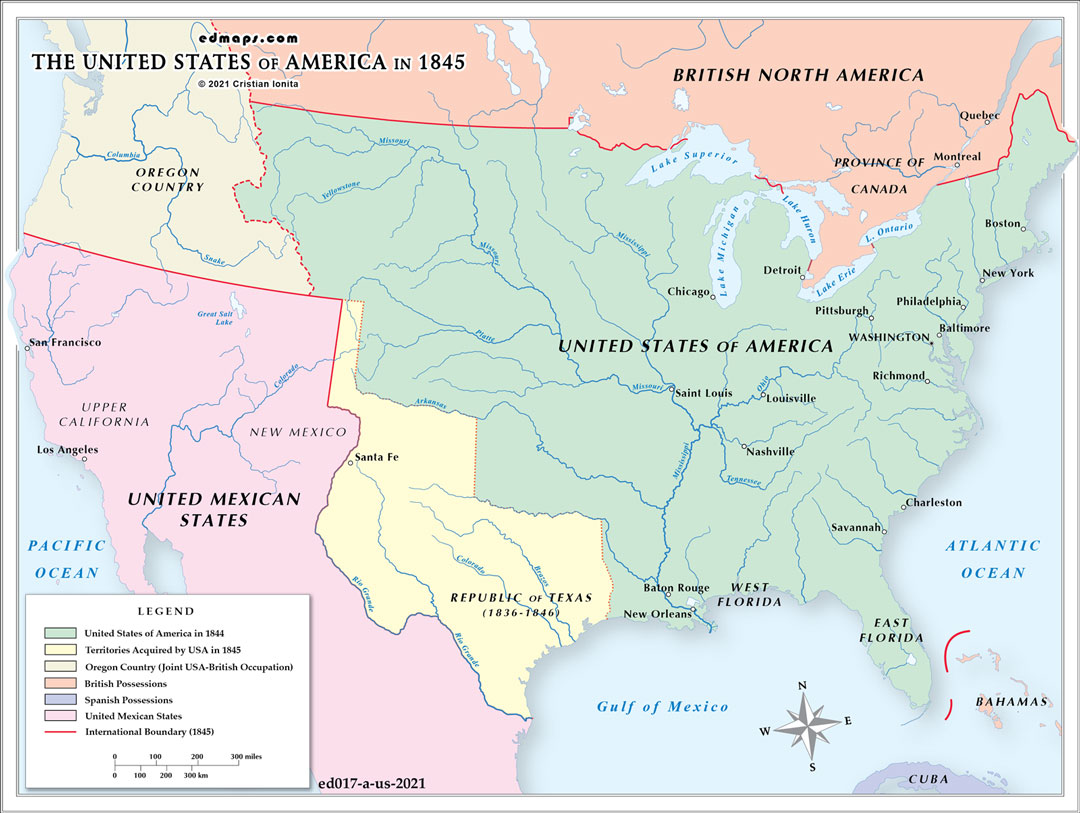
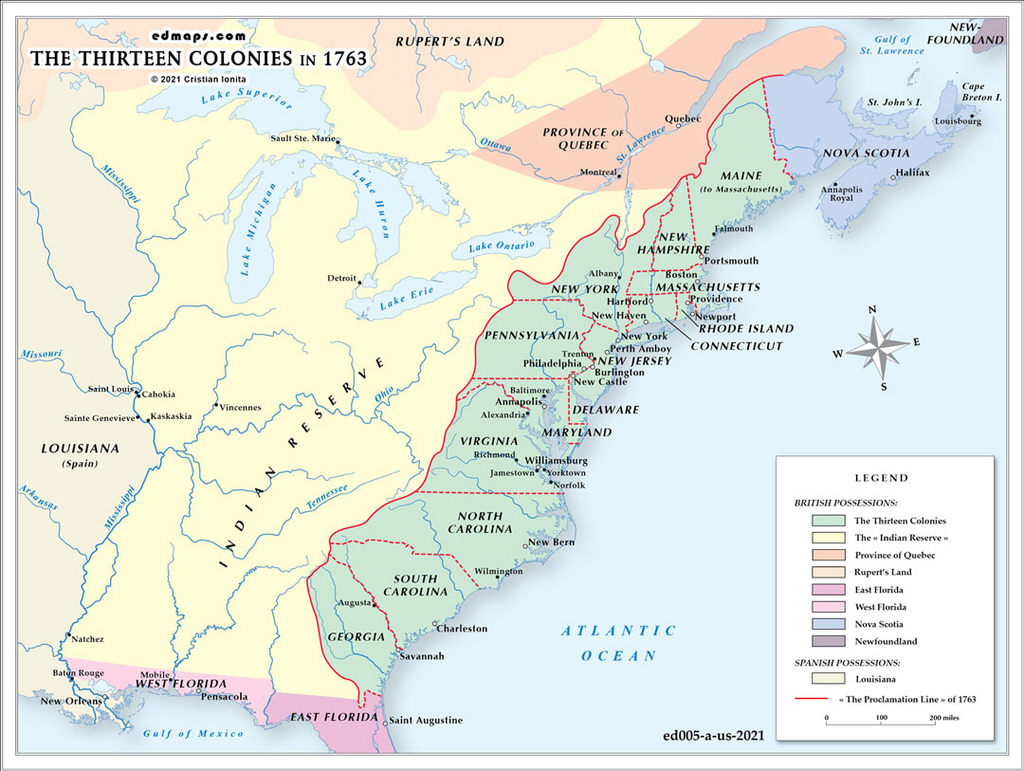
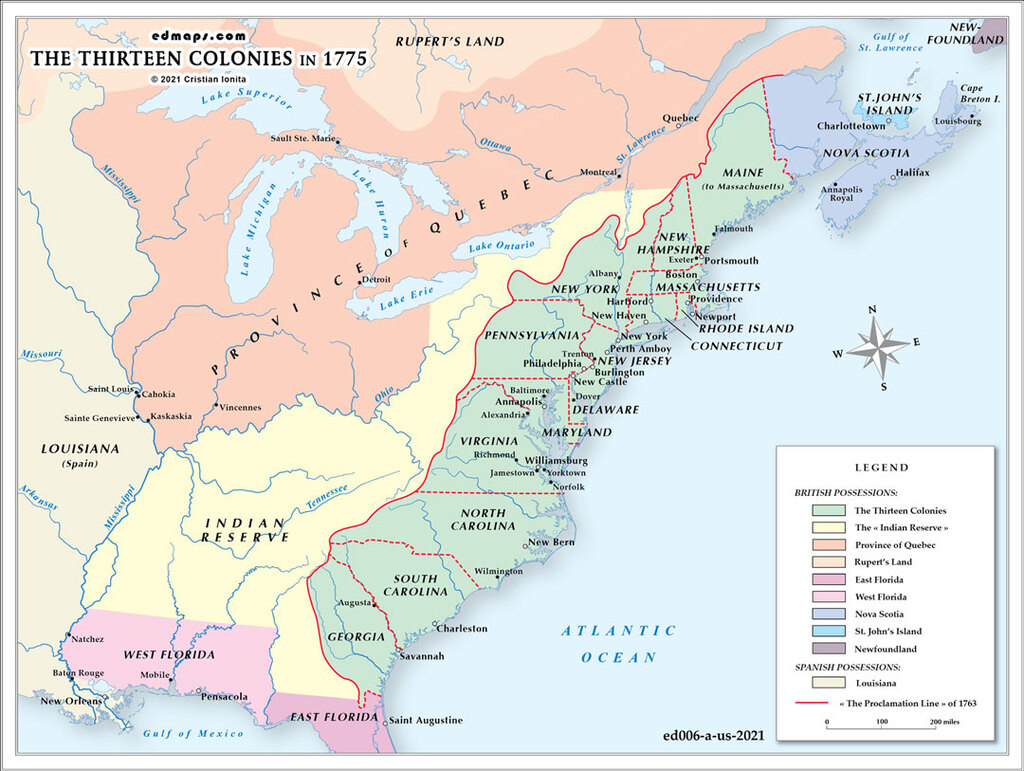
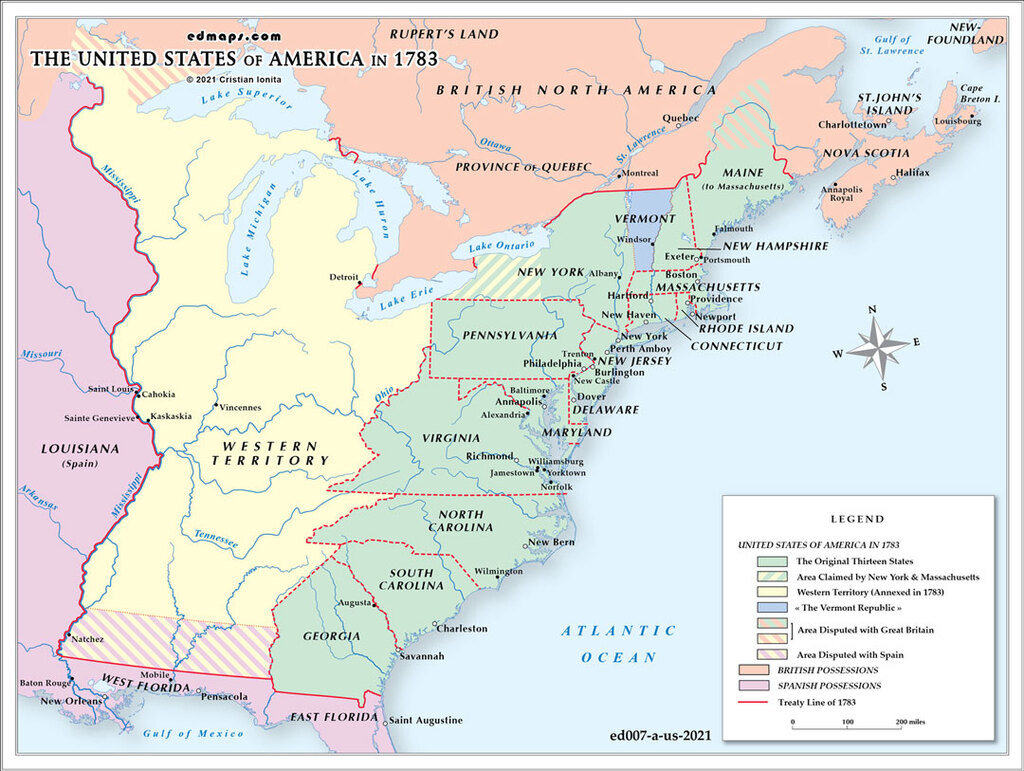
By 1845, the United States stood at a pivotal crossroads in its territorial development. Having expanded from the original thirteen colonies to twenty-seven states, the nation faced unprecedented challenges in governing its vast domains while pursuing its continental ambitions.
The young republic had recently welcomed Missouri, Arkansas, Michigan, and Florida into statehood, with Texas poised to become the twenty-eighth state by year's end. However, this growth created mounting tensions over the delicate balance between free and slave states, a compromise that grew increasingly fragile with each westward push.
The territorial landscape presented formidable administrative challenges. The Iowa and Wisconsin territories were approaching statehood, while enormous swaths of land from the Louisiana Purchase remained largely ungoverned, stretching from the Mississippi River to the Rocky Mountains. Federal authorities struggled to establish effective governance across such immense distances, managing diverse populations scattered throughout these frontier regions.
International complications further intensified America's territorial dilemma. The Oregon Country remained under joint occupation with Britain, sparking fierce nationalist sentiments captured in the rallying cry "54°40' or Fight!" Meanwhile, Mexico's weakening grip on California, New Mexico, and the Southwest territories attracted increasing numbers of American settlers, creating diplomatic friction that would soon escalate into armed conflict.
The annexation of the Republic of Texas exemplified both America's territorial ambitions and its constitutional creativity. Congress circumvented the treaty process through a joint resolution, adding 389,000 square miles while deepening sectional divisions over slavery's expansion into new territories.
Underlying these challenges was the powerful ideology of Manifest Destiny—the belief that American expansion across the continent was both inevitable and divinely ordained. This conviction drove settlers westward and shaped national policy, ultimately propelling the United States toward the Mexican-American War and the massive territorial acquisitions that would follow, fundamentally transforming the nation's geographic and political landscape.